My account


Can Dogs Eat Pumpkin? Benefits, Safety and Halloween Tips
26 . October .2026
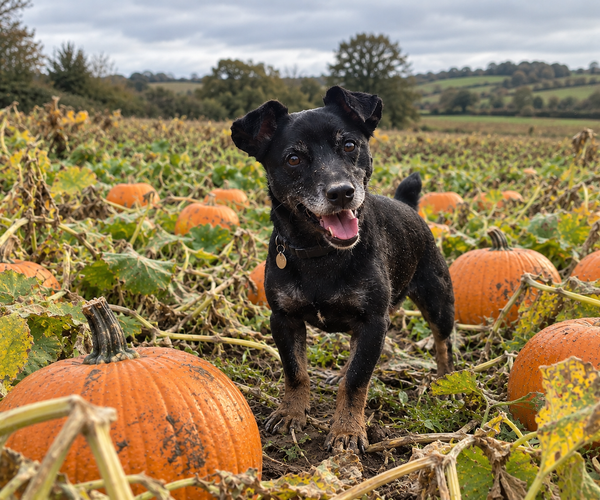
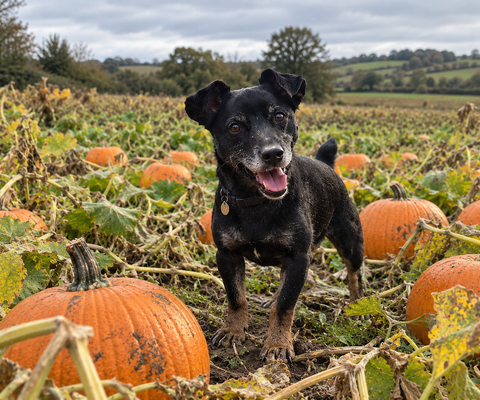
Autumn is here, the leaves are crunching underfoot and pumpkins are popping up on doorsteps everywhere. But while you're getting ready for Halloween, you might be wondering, can dogs eat pumpkin too?
The good news is, yes! Plain, cooked pumpkin is generally safe for dogs when served in sensible amounts. It's naturally rich in fibre, contains useful vitamins and minerals, and can be a tasty little addition to your pup's usual food.
Here at Cobbydog, we've been making dog food in Yorkshire since 1976, so we know that good nutrition doesn't need to be complicated. Sometimes, simple ingredients can have plenty to offer.
Before you share some of that Halloween pumpkin with your four-legged friend, here's what you need to know about its benefits, which parts are safe and how to serve it properly.
Is Pumpkin Good for Dogs?
Pumpkin isn't just for carving spooky faces. It's packed with natural nutrients and can be a useful addition to your dog's diet.
One of the main benefits of pumpkin for dogs is its fibre content. Fibre helps support normal digestive function and healthy stools, which can be particularly useful if your dog occasionally has a sensitive tum.
Pumpkin also contains beta-carotene, which the body can convert into vitamin A, along with other nutrients that contribute to your dog's normal health and wellbeing.
Of course, pumpkin isn't a replacement for a complete, balanced diet. Think of it as a little extra goodness alongside your dog's usual meals.
The Benefits of Pumpkin for Dogs
1. Supports Healthy Digestion
If your dog occasionally has a delicate tummy, you'll know how important it is to keep their feeding routine consistent.
Pumpkin contains soluble and insoluble fibre, both of which help support normal digestion.
Soluble fibre absorbs water and can help with stool consistency, while insoluble fibre helps food move through the digestive system.
For some dogs, adding a small amount of pumpkin to their normal food may help support regular, healthy bowel movements.
However, more isn't always better. Too much fibre can cause wind, bloating or loose stools, so it's best to introduce pumpkin gradually.
If your dog has persistent diarrhoea, constipation, vomiting or other digestive symptoms, speak to your vet rather than trying to manage the problem with pumpkin alone.
2. Provides Natural Vitamins and Minerals
That lovely orange colour isn't just for show.
Pumpkin contains beta-carotene, as well as nutrients including potassium and vitamin E, which play roles in normal body function.
These nutrients contribute to everyday wellbeing, including normal cell function and the maintenance of healthy skin.
Your dog should already receive the vitamins and minerals they need from a complete dog food, but a little plain pumpkin can offer some additional variety.
3. Adds Variety to Mealtimes
Some dogs will happily eat whatever lands in their bowl. Others need a little more encouragement!
A small amount of mashed pumpkin can add a different taste and texture to your dog's normal meal.
It's an easy way to offer something seasonal without reaching for sugary human treats or making big changes to their feeding routine.
And if your pup particularly enjoys the flavour, pumpkin doesn't have to disappear from the menu when Halloween is over.
Can Dogs Eat Halloween Pumpkin?
Yes, but there's an important difference between the fresh pumpkin you're preparing in the kitchen and the carved pumpkin that's been sitting outside your front door.
Fresh, plain pumpkin flesh can be offered to dogs once it's properly cooked and cooled. However, not every part of the pumpkin is suitable for your pooch.
Which Parts of a Pumpkin Are Safe for Dogs?
- Cooked pumpkin flesh: A good choice when softened, mashed and served plain.
- Pumpkin skin: Best removed, as the tough skin can be difficult to chew and digest.
- Pumpkin stalks: Keep these away from your dog. They're tough and can present a choking or blockage risk.
- Pumpkin seeds: For a simple, safe serving, remove the seeds before cooking and mashing the flesh.
- Raw pumpkin: Best avoided, particularly in large or hard pieces that may be difficult to digest.
And one important Halloween reminder: never let your dog eat a carved pumpkin that's been left outdoors, particularly if it's starting to go mouldy.
Keep pumpkins containing candles well out of reach of curious noses and paws too.
How Much Pumpkin Can Dogs Eat?
When it comes to pumpkin, a little goes a long way.
The right amount depends on your dog's size, age, normal diet and individual digestive needs.
If you're introducing plain cooked pumpkin for the first time, start with a small amount mixed into their usual food and see how they get on.
Avoid suddenly adding large quantities, particularly if your dog already has a sensitive stomach.
For concentrated supplements, always follow the manufacturer's feeding instructions rather than using the same portions as fresh pumpkin.
Our Cobbydog Pumpkin Powder Supplement comes with a feeding guide based on your dog's weight, making it straightforward to use.
You can also read our Pumpkin Powder to the Rescue guide for more information about pumpkin fibre and digestive support.
If your dog is on a special veterinary diet or has an ongoing medical condition, check with your vet before adding supplements or new foods.
Easy Ways to Add Pumpkin to Your Dog's Bowl
Fancy giving your dog a little taste of autumn? There are a few simple ways to do it.
1. Try a Spoonful of Cooked Pumpkin
Remove the skin, stalk and seeds, then cook the flesh until it's soft.
Let it cool completely before mashing a small amount into your dog's usual meal.
Keep it plain, with no butter, salt, sugar, spices or other seasonings.
2. Sprinkle on Some Pumpkin Powder
If you'd rather skip the cooking and washing up, pumpkin powder is a handy cupboard option.
Our 100% Natural Pumpkin Powder Supplement contains just one ingredient: pumpkin.
You can sprinkle the recommended amount over your dog's normal meal or mix it with a little water to make a soft paste.
It's a simple way to add natural pumpkin fibre without having to prepare fresh pumpkin each time.
3. Treat Your Dog to Something Tasty
Halloween might be all about sweets for us humans, but your dog deserves something better suited to their tummy.
Our Beef, Pumpkin & Sweet Potato Gourmet Sausages are a tasty option for rewarding your pup after an autumn walk or during a little training session.
As with any treats, remember to keep portions sensible and account for them as part of your dog's daily food allowance.
Halloween Treats Your Dog Should Avoid
Pumpkin can be a lovely seasonal addition, but some Halloween favourites are best kept firmly out of paws' reach.
Chocolate can be poisonous to dogs, and certain sweets contain xylitol, a sweetener that's extremely dangerous for them.
Pumpkin pies, spiced cakes and pumpkin-flavoured drinks aren't suitable substitutes for plain pumpkin either. They may contain sugar, spices, sweeteners or other ingredients your dog shouldn't eat.
If you suspect your dog has eaten chocolate, xylitol or another potentially harmful ingredient, contact your vet immediately.
And remember, Halloween isn't every dog's favourite evening. If your pooch isn't keen on visitors in costumes or the doorbell ringing constantly, a cosy bed somewhere quiet might be a much better treat.
A Little Pumpkin Goodness Beyond Halloween
One of the nicest things about pumpkin is that it isn't just for October.
Whether you use a little cooked pumpkin as an occasional food topper or add a suitable pumpkin supplement to your dog's routine, it's a simple ingredient that can offer some useful nutritional benefits.
At Cobbydog, we're proud to be a family-run Yorkshire business with 50 years of experience making food for dogs. We believe in knowing what's in your dog's bowl, keeping things practical and helping you make feeding choices that suit your individual pup.
So, when you're carving your pumpkins this Halloween, save the spooky faces for the doorstep and the plain, properly prepared pumpkin for your dog.
Fancy giving pumpkin a try?
Take a look at our 100% Natural Pumpkin Powder Supplement and discover a simple way to add a little pumpkin goodness to your dog's mealtimes.
Frequently Asked Questions About Pumpkin for Dogs
Can dogs eat pumpkin every day?
Some dogs can enjoy small amounts of plain pumpkin regularly as part of a balanced diet. However, every dog's needs are different. Introduce it gradually, avoid excessive portions and ask your vet if you're unsure whether daily pumpkin is appropriate.
Can pumpkin help a dog with a sensitive stomach?
The fibre in pumpkin may help support healthy digestion and normal stool consistency. However, it isn't a treatment for digestive illness. If your dog frequently has an upset stomach, your vet can help identify the cause.
Can dogs eat pumpkin skin?
It's best to remove pumpkin skin before serving. The outer skin can be tough and difficult to chew or digest, particularly for smaller dogs.
Is pumpkin powder good for dogs?
Pure pumpkin powder can be a convenient source of dietary fibre. Choose a product without unnecessary additions, follow its feeding instructions and make sure it suits your dog's individual dietary needs.
Can puppies eat pumpkin?
Small amounts of plain, cooked pumpkin may be suitable for puppies that are already eating solid food. Because puppies have specific nutritional needs and sensitive digestive systems, check with your vet before introducing supplements or making regular changes to their diet.