 My account
How do dogs show affection?
10 . February .2020Adam Copland0 Comments
Okay, so our dogs may not actually be able to form the words “I love you”, although, like us, you’re probably convinced you’ve heard such utterings in various barks, howls, and happy noises over the years. What’s undeniable, though, is the bond between dogs and their humans, and there’s plenty of evidence to suggest that dogs have some pretty special ways of communicating affection and trust. So, if you’ve ever wondered “how do dogs show affection?”, here are some top signs your dog truly sees you as their number one bestie.
How do we show love to our dogs?
First things first, it’s worth thinking about the various ways in which we express love to our pups. For many of us, this could be through physical contact, think cuddles on the sofa, pats on the head, belly scratches, gentle strokes, etc. They love it, and it’s a huge stress buster for us! Or perhaps, you chat away to your dog, praising your “good boy” or “good girl” in that embarrassing baby voice reserved exclusively for your furry friend…yes, we see you!
Dogs learn our tone, language, and routines incredibly well. Some dogs have an impressively strong vocabulary, ears pricking up at the sound of walkies, guilty looks when they get a telling off for polishing off a forbidden serving on Sunday lunch, or scarpering at the mere mention of the dreaded V.E.T. Regardless of how much or how little your dog actually understands of what you’re saying, a fact we can merely speculate upon, one thing we can be certain of is that they understand how we make them feel.
Walks are another powerful expression of love. Regular exercise keeps our pups fighting fit, provides mental stimulation so they don’t get bored (and naughty), and offers valuable bonding time. Playtime matters too. Taking time to throw a ball, play tug, or engage in training games is a clear signal to your dog that you want to put the effort in to ensure they’re having some fun and learning new skills. This kind of interaction is priceless when it comes to behavioural training. Dogs thrive on attention, and the more attention you give, the more secure, valued, and safe they feel in your company.
Many people panic when they suddenly have a dog in their lives, and think, “How do I get them to like me?” But, the simplest answer is to go at their own page, don’t overwhelm them, and let trust build naturally.
How do dogs show affection in return?
Eye Contact
Eye contact between humans and dogs is, in fact, a very intimate act. When a dog feels secure, they’ll often hold eye contact with their owner. This isn’t about dominance; it’s more of an expression of trust, comfort, and connection, a reassuring look of ‘you are my person.’
Dogs learn early that sustained eye contact can be threatening, so it’s important not to stare at your dog, especially before that initial trust and relationship is developed. When your dog chooses to meet your gaze calmly, it’s a sign they feel relaxed and close to you. As the old saying goes, “Eyes are the windows of the soul.”
Tail Wagging
Of course, we all know that a wagging tail shows us that a dog is happy, but here at Cobbydog, we think it shows the love, too! A wagging tail doesn’t always mean excitement; it can mean a range of emotions, but certain wags are unmistakable signs of affection. Just think about the welcome home you get when you return home every day. That loose, full-body wag and excitable booty shake says it all. Does your dog have a specific, “yay, you’re home!” wag reserved for their favourite people? We’re personally big fans of the classic helicopter wag!
Leaning on You
When a dog leans on you, sometimes even leaning their full weight, it’s a really meaningful gesture. This behaviour comes from their instincts as pack animals. Dogs lean on those they trust for comfort and reassurance. If your dog presses against your legs, especially when they’re feeling unsure or spooked while out on a walk, it’s a strong sign of affection and security. Your dog feels safe enough to rely on you, physically and emotionally, and sees you as their protector.
Physical Contact
Some dogs adore cuddles, while others prefer more subtle contact, like resting their chin on your knee, lying at your feet, or curling up beside you on the sofa. Belly rubs are another classic sign of affection. When a dog rolls on their back, they’re exposing a vulnerable area, which signals deep trust.
Following You Around
Dogs that follow you like a shadow aren’t necessarily extra needy or doing this just to be a nuisance; they’re choosing your company. They see you as a crucial family member and are desperate to stay close. Sometimes, less affectionate dogs express their love by simply being near you, as your presence provides the right level of comfort and reassurance.
Playing with You
When your dog nudges you with their nose or drops a toy at your feet, they’re inviting you into their world. Play is a powerful bonding tool and a clear sign your dog feels connected to you. Dogs don’t initiate play with everyone; they choose the people they trust. By playing with you, your dog is saying they value your attention and see you as part of their pack.
Why Understanding Affection Matters
Understanding how dogs show affection helps us respond in the right way to build a good relationship. With a strong bond comes better training, better behaviour, and helps you understand your dog’s needs more easily. It helps you spot when they’re not feeling quite right and allows you to build trust more quickly and help them navigate new situations, people, or animals with confidence.
Every dog expresses love a little differently, but whether it’s eye contact, physical closeness, leaning, play, or just quiet companionship, each behaviour reflects a dog that feels safe, loved, and secure with you, their human.
related blog
Autumn Feeding Tips: Keeping Your Best Friend Happy and Healthy This Season
cobbydog cobbydog 0 Comments
Why British-Made Dog Food Matters More Than Ever
cobbydog cobbydog 0 Comments
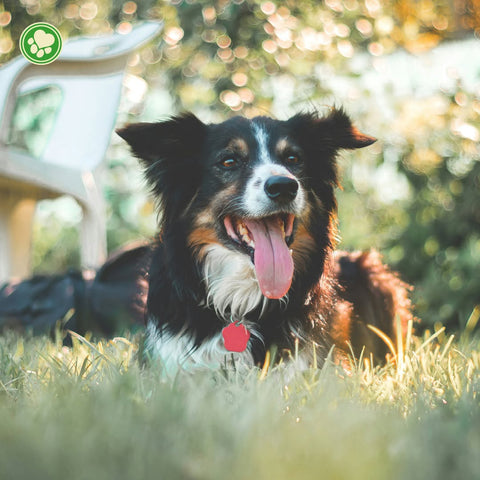
Dog Not Eating? Why Your Dog May Have Gone Off Their Food
cobbydog cobbydog 0 Comments
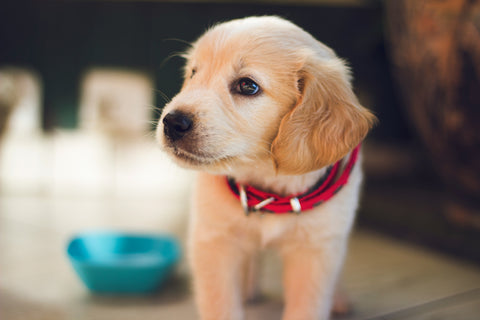
Healthy Dog Food for Puppies
Katy van suilchem 0 Comments
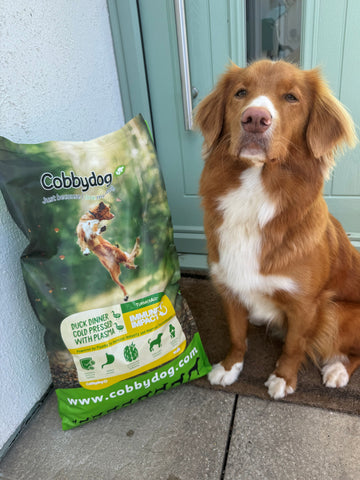
Wags of Approval: Real Cobbydog Customer Stories
Katy van suilchem 0 Comments
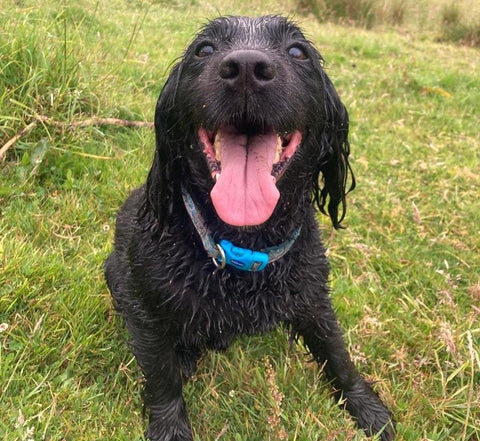
Key Signs Your Dog Is Happy and Healthy
Katy van suilchem 0 Comments


